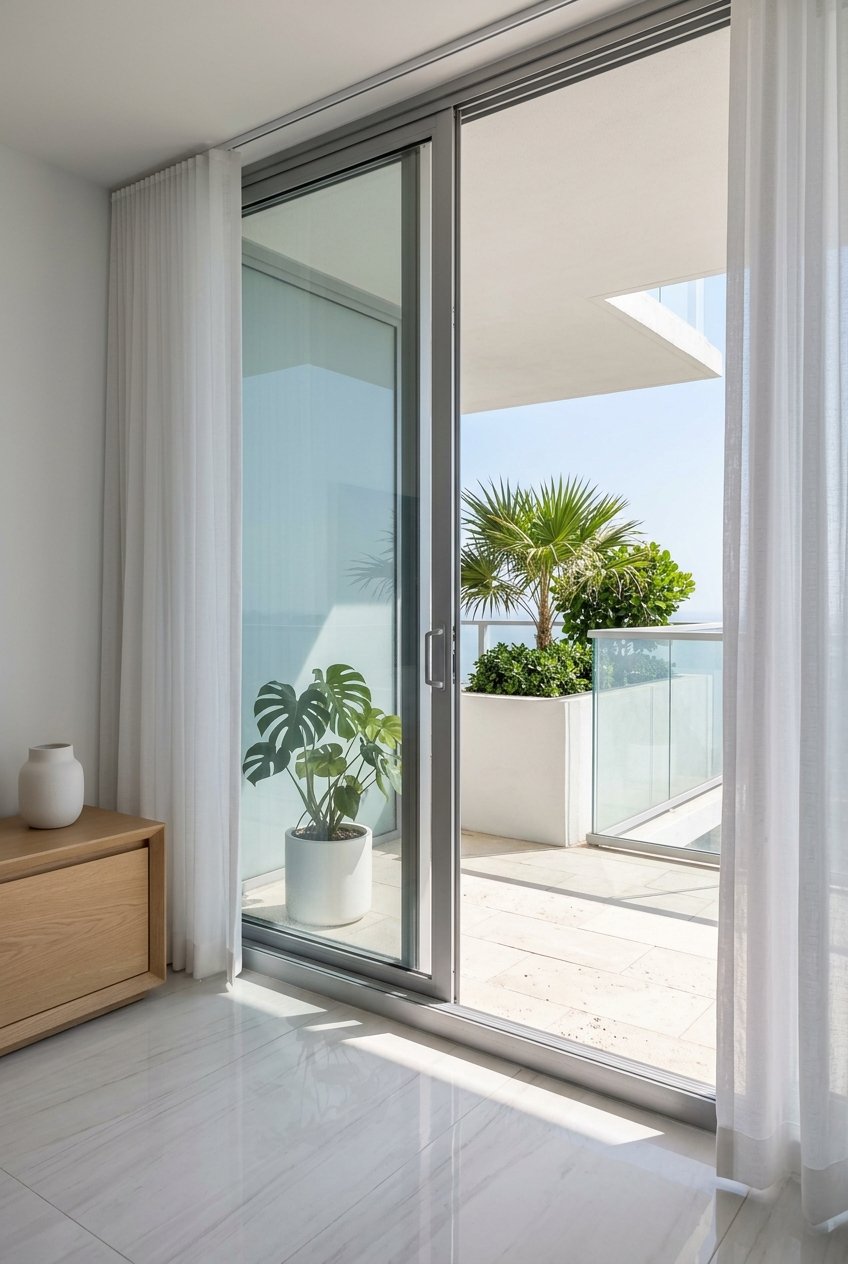
How to Sell a Tenant-Occupied Condo in Sunny Isles Beach
If you own a rented condo in Sunny Isles Beach, you do not have to choose between collecting rent and moving forward with a sale. You can sell a tenant-occupied unit, but the process usually takes more planning than a vacant listing because buyers will look closely at the lease, the building, and the condo association paperwork. With the right preparation, you can reduce friction, protect your timeline, and present the property in a way that works for both end-users and investors. Let’s dive in.
Sunny Isles Beach is a barrier-island city developed primarily for residential use, and much of its housing stock is in condo towers. That matters because buyers are not just evaluating your unit. They are also evaluating the building, its rules, its financial picture, and any inspection or recertification issues that may affect ownership.
This is especially important in a market with meaningful condo inventory. MIAMI REALTORS reported 22 months of condo supply in Sunny Isles in its February 2025 market update. In a market like that, strong pricing, polished presentation, and complete documentation can make a real difference.
Yes, in many cases you can. In Florida, a sale does not automatically end a lease, which means the buyer will often take the property subject to the existing lease unless the lease terms or a valid notice basis allow a different outcome.
That is why the lease should be one of the first documents you review. If your tenant is month-to-month, Florida notice rules may create more flexibility than a fixed-term lease. If your tenant has a longer lease term, your buyer may need to accept continued occupancy until that lease ends.
For tenancies without a specific duration, Florida requires written notice based on the tenancy type:
These timelines do not replace your lease terms, but they help shape what is possible. Before you go to market, you want a clear answer on whether the condo can be delivered occupied or whether a vacancy timeline is realistic.
One of the biggest concerns sellers have is access. Florida law allows a landlord to enter the unit at a reasonable time and with reasonable notice to inspect, make repairs, or show the property to prospective or actual purchasers. The same law also says the right of access cannot be abused or used to harass the tenant.
In practice, the smoothest approach is a written showing plan. Instead of sending repeated last-minute requests, it is usually better to set predictable showing windows and keep one point of contact for the tenant. That structure helps you stay compliant, protects the tenant’s routine, and makes your listing easier to show.
For a Sunny Isles Beach condo, a simple system often works best:
This kind of consistency is especially useful in luxury condo buildings, where access, elevator coordination, and front-desk procedures can affect timing.
Before photos are scheduled or marketing begins, gather the paperwork buyers are most likely to request. In Sunny Isles, that often goes beyond the usual seller disclosures because buyers may also want building-level information early in the process.
At minimum, you should have your lease package and core condo documents organized. When paperwork is easy to review, buyers feel more confident and your transaction has fewer avoidable delays.
A strong pre-listing file may include:
In a coastal high-rise market, this preparation is not just helpful. It is often essential.
In Florida condo sales, the estoppel certificate is one of the most important closing documents. Under Florida law, the association must issue it within 10 business days of a written or electronic request.
The estoppel can disclose assessment information, special assessments, transfer fees, open violations, whether board approval is required, whether a right of first refusal exists, and insurance contact information. Hand-delivered or electronic estoppels are effective for 30 days, while mailed estoppels are effective for 35 days.
For a tenant-occupied condo, the estoppel should not be an afterthought. It helps answer many of the questions buyers ask before they write an offer, and it can reveal issues that affect timing or net proceeds.
Florida law also caps estoppel fees in many cases, and if the association does not deliver the estoppel within 10 business days, it may not charge the fee. That is another reason to request it early and track it carefully.
If you are delinquent on money owed to the condo association, the situation can become more complicated. Florida law allows an association in some cases to require the tenant to pay rent directly to the association until the delinquency is satisfied.
That can create confusion for your tenant, raise concerns for buyers, and complicate your sale file. If possible, resolve association delinquencies before listing so your marketing and contract process start from a cleaner position.
Many Sunny Isles condos are in coastal high-rises, and older buildings may face additional buyer scrutiny. Florida’s milestone inspection law applies to residential condominium buildings that are three habitable stories or more, with an initial milestone inspection due by the year the building reaches 30 years of age and then every 10 years after that. In coastal areas, local enforcement may require inspections at 25 years.
Miami-Dade also has its own recertification process. The county states that coastal buildings become subject to recertification at 25 years, then every 10 years after that. For sellers, this means older towers may need recertification reports, repair records, and assessment clarity ready for review.
Florida condominium law requires many associations to complete structural integrity reserve studies for buildings three stories or higher, subject to the law’s criteria. Associations that fall within those rules must distribute the completed study, or notice of availability, to owners within 45 days.
That is one reason buyers often ask for reserve, inspection, and assessment documents early. If your building is older, you should expect these questions and prepare for them in advance.
A tenant-occupied condo can still show beautifully. You do not need a full redesign to make the space more marketable, but you do need a thoughtful plan.
According to the 2025 Profile of Home Staging, 83% of buyers’ agents said staging made it easier for buyers to visualize the property as a future home. The same report found that 49% of sellers’ agents said staging reduced time on market, and 29% of buyers’ agents reported a 1% to 10% increase in the dollar value offered.
For occupied condos, the most practical staging effort usually centers on:
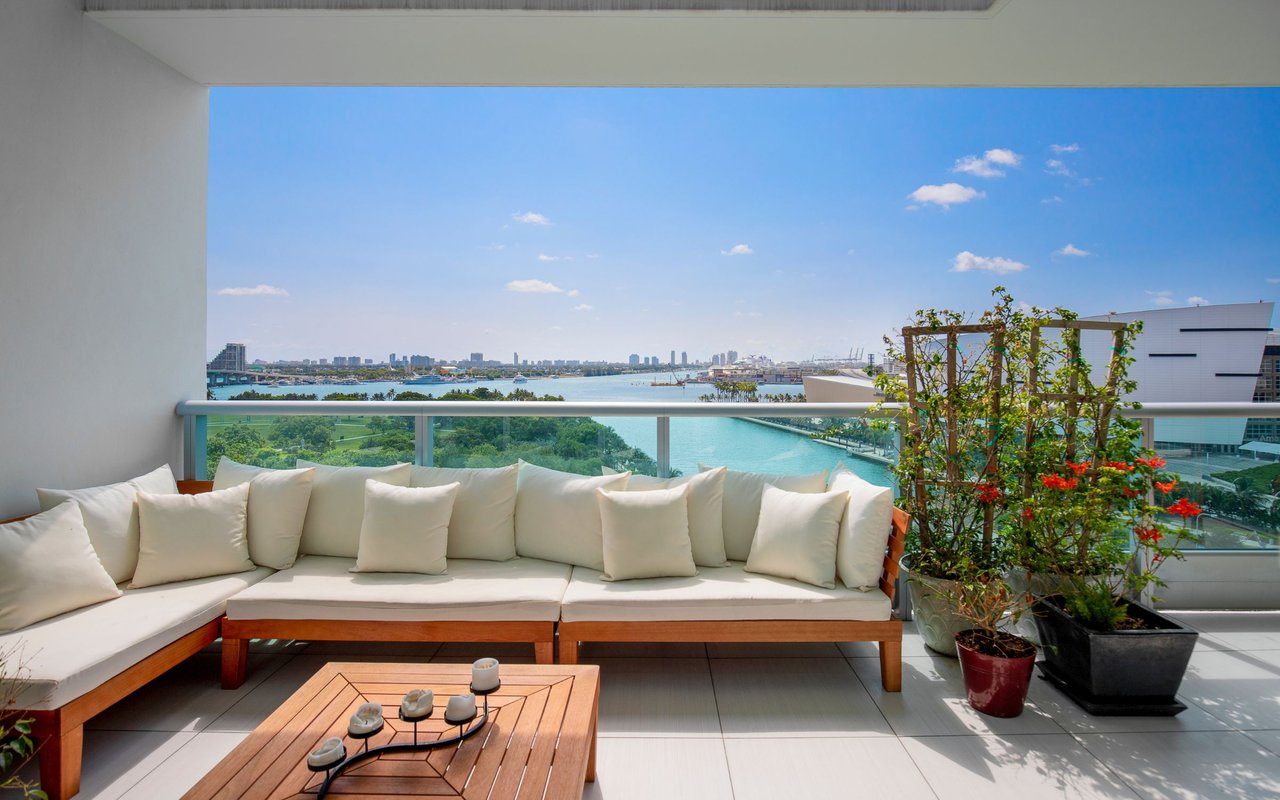
A light-touch approach often works best. Declutter, deep clean, remove highly personal items from view, fix visible defects, and create a clean camera-ready look. In Sunny Isles, it also helps to highlight view lines, balcony access, and amenity-driven lifestyle details that help the property stand out.
In Sunny Isles Beach, pricing should reflect more than comparable sales. It should also reflect your lease situation, the building’s document readiness, any special assessments, and whether the condo can be delivered vacant or occupied.
A listing can look attractive online and still sit if buyers sense uncertainty. In a market with substantial inventory, unclear building status or weak disclosure can quickly reduce momentum.
Most serious buyers will want early answers to questions like these:
The faster you can answer those questions clearly, the easier it is for buyers to move forward.
Sunny Isles Beach often attracts more than one buyer profile for the same condo. Some buyers are looking for a primary or seasonal residence. Others are focused on investment potential, lease terms, and carrying costs.
That split matters even more in Miami’s international-facing market. MIAMI REALTORS reported that Miami remained the top U.S. destination for global home buyers in 2025, and that foreign buyers continued to play a meaningful role in South Florida residential purchases. That supports marketing that works well for remote, international, and investor-minded audiences.
For end-users, the listing should emphasize:
For investors, the listing should emphasize:
A well-positioned listing can speak to both groups at once. The key is to present the unit as both a lifestyle product and a financial asset, depending on the buyer’s priorities.
Selling a tenant-occupied condo in Sunny Isles Beach is absolutely possible, but it works best when you prepare for the questions before buyers ask them. The lease, the tenant communication plan, the estoppel certificate, and the building documentation all shape how quickly and confidently a buyer can act.
With a concierge-level strategy, you can protect the tenant relationship, present the condo professionally, and reduce the surprises that tend to slow condo deals in this market. If you are planning to sell an occupied unit in Sunny Isles Beach, Dianna Lantigua Realty Inc can help you create a discreet, well-organized plan tailored to your building, your lease, and your goals.

Whether guiding buyers through South Florida’s most prestigious neighborhoods or representing seasoned investors, she ensures a seamless experience defined by privacy, professionalism, and personalized attention.
Dianna Lantigua
17121 COLLINS AVE SUNNY ISLES BEACH FL 33160