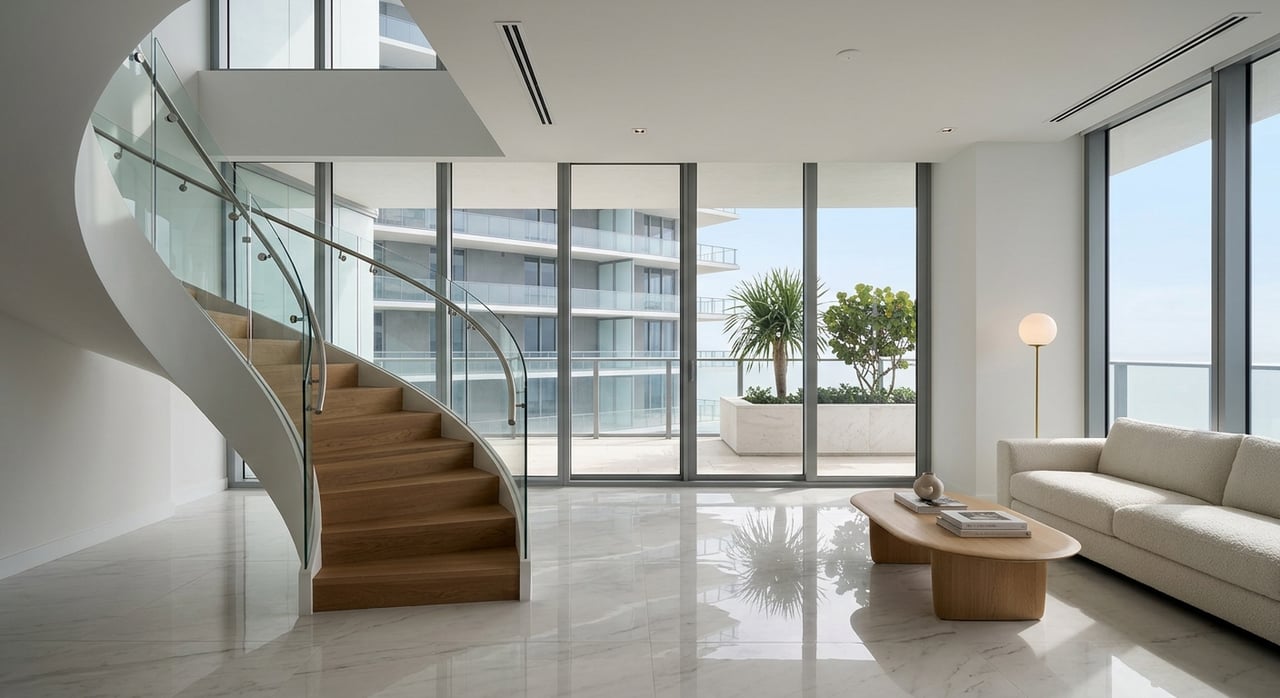
Miami Pre-Construction Condo Contracts: Process & Overview
Buying pre-construction in Miami can feel exciting, polished, and full of possibility. It can also be one of the most document-heavy purchases you will ever make, especially when timelines, deposits, and condo disclosures start to pile up. If you are considering a new condo before it is completed, you need to know how the process works, where buyers get tripped up, and what protections Florida law gives you. Let’s dive in.
Miami remains an active market for new condo development, with strong buyer interest from both domestic and international purchasers. According to a MIAMI Realtors market report, buyers from 73 countries purchased new South Florida construction over a 22-month period, and global buyers accounted for 52% of new construction, pre-construction, and condo-conversion sales.
That demand creates opportunity, but it also means you may be comparing a long-timeline, contract-driven purchase against a broader Miami-Dade condo market with substantial existing inventory. The same report notes that in Q1 2025, the Miami-Dade condo and townhouse market had a median sale price of $435,000, 13,037 active listings, and 13.2 months of supply. In other words, pre-construction is not just about the dream of a future unit. It is a strategic choice that should be weighed carefully.
Many Miami projects begin with a reservation agreement. Under Florida law, reservation deposits must go into escrow, and the escrow agent must provide a receipt, as outlined in Florida condominium law.
This stage is often misunderstood. A reservation does not automatically mean the price is fixed forever or that your unit details are locked in. The reservation paperwork must disclose whether the developer is locking the price, allowing a stated increase, or offering no price assurance at all.
You also have important protections at this point. You may request an immediate, unconditional refund of your reservation deposit in writing, and the funds cannot be released directly to the developer except as a down payment when the purchase contract is signed.
The real legal framework starts when you sign a purchase contract and receive the required disclosure documents. For many condominium projects, especially developments with more than 20 units, the developer must provide a prospectus or offering circular before any enforceable purchase contract is signed, under Chapter 718 of the Florida Statutes.
Once you sign and receive the required documents, Florida gives you a 15-day statutory right to cancel. If those documents are not properly delivered, you may still be able to void the contract and receive your deposit back plus interest. If the developer later sends an amendment that materially and adversely changes the offering, you get another 15-day cancellation period from receipt of that amendment.
This is one of the biggest buyer protections in a Miami pre-construction deal. It is also one of the easiest deadlines to miss if you are not organized.
A pre-construction condo purchase in Miami is a written-document transaction. The sales gallery may be impressive, but Florida law makes clear that the contract and disclosure package control, not verbal statements.
For projects subject to the prospectus requirement, the packet should cover key details such as:
You should also receive other documents and disclosures that may include:
These details matter because they shape your cost of ownership, your use rights, and your long-term flexibility.
Florida sets rules for how buyer deposits must be held before the condo is completed. Under state law, up to the first 10% of the purchase price paid before completion must be held in escrow.
Amounts above 10% paid before completion go into a special escrow account and generally cannot be used before closing, except where the contract allows withdrawals after construction begins for actual construction-related costs. The law allows certain hard costs such as demolition, site clearing, permit fees, impact fees, utility reservation fees, and directly related architectural, engineering, and surveying work.
It does not allow those funds to be used for marketing, sales commissions, loan costs, attorney fees, accounting fees, or insurance costs. If the developer does not comply with these escrow rules, the contract may be voidable and the deposits must be refunded with interest.
You should understand exactly how much is due, when each payment is due, and what the contract says about escrow handling. In Miami pre-construction, staged deposits are common, but the legal treatment of those funds matters just as much as the amount.
This is one reason many buyers choose to have a Florida condo attorney review the documents early. If you are financing the purchase, it is also wise to coordinate with your lender or financial advisor so the payment structure matches your broader plan.
One of the most common mistakes in pre-construction is assuming that showroom finishes, renderings, or verbal explanations are guaranteed. In practice, finish selections are governed by the written contract, plans, and exhibits.
That means you should confirm the exact finishes, fixtures, appliances, and any upgrade allowances in writing before your cancellation window closes. If a detail matters to you, it should appear in the documents. If it is only mentioned in conversation, you should not rely on it.
Delays are one of the most common concerns in Miami pre-construction. Florida law ties completion to a certificate of occupancy or equivalent authorization, not just to a developer target date.
That distinction is important. A projected completion season or target month may be useful for planning, but legal completion is based on the project being authorized for occupancy. If closing occurs more than 12 months after the offering circular is filed, the developer must provide a current estimated operating budget at closing.
You should also pay close attention to the latest estimated completion date in the disclosure packet and any contract language about extensions, amendments, and closing procedures. These provisions can affect your timing, carrying costs, and financial planning.
This is one of the most avoidable mistakes. The cancellation clock starts when you sign and receive the required documents. If a material and adverse amendment is later delivered, a new cancellation period may apply.
Because these rights are statutory, timing matters. Build a review plan the moment documents arrive.
A reservation may feel like a commitment to a specific unit and price, but the paperwork controls. Florida requires reservation documents to disclose whether the developer is guaranteeing price, permitting a stated increase, or offering no price assurance.
You should read that language carefully before wiring funds.
Buyers sometimes focus on the unit and overlook the cost structure around it. The disclosure package may include assessments, mandatory recreational fees, club memberships, leasing restrictions, land-use charges, or use limitations tied to common amenities.
For end users, these items affect lifestyle and monthly costs. For investors, they can directly affect rental strategy and projected returns.
Some Miami developments are built in phases. The documents may allow later buildings or units to be added, and those future components may be substantially different from the original plan.
That can influence views, amenity access, density, and the overall feel of the property over time. You should understand what future development rights are reserved before you commit.
Florida law is very clear here. Written contract terms and disclosures control, and waivers of buyer voidability rights are not effective.
In plain English, the safest approach is simple: trust what is written, not what is promised casually during a presentation or tour.
Before your cancellation window expires, consider reviewing the following:
This is also the point to involve a Florida condo attorney. If financing or investment performance is part of your decision, bring in your lender or financial advisor as well.
Pre-construction in Miami can offer access to new inventory, modern layouts, and early positioning in a developing project. But it works best when you approach it as a disciplined, document-first purchase rather than an emotional showroom decision.
If you want discreet guidance on comparing Miami pre-construction opportunities with luxury resales or existing inventory, Dianna Lantigua Realty Inc offers a concierge-level approach tailored to your goals. Whether you are buying a second home, evaluating an investment, or narrowing the right building for your lifestyle, a private consultation can help you move forward with clarity.

Whether guiding buyers through South Florida’s most prestigious neighborhoods or representing seasoned investors, she ensures a seamless experience defined by privacy, professionalism, and personalized attention.

Dianna Lantigua
17121 COLLINS AVE SUNNY ISLES BEACH FL 33160