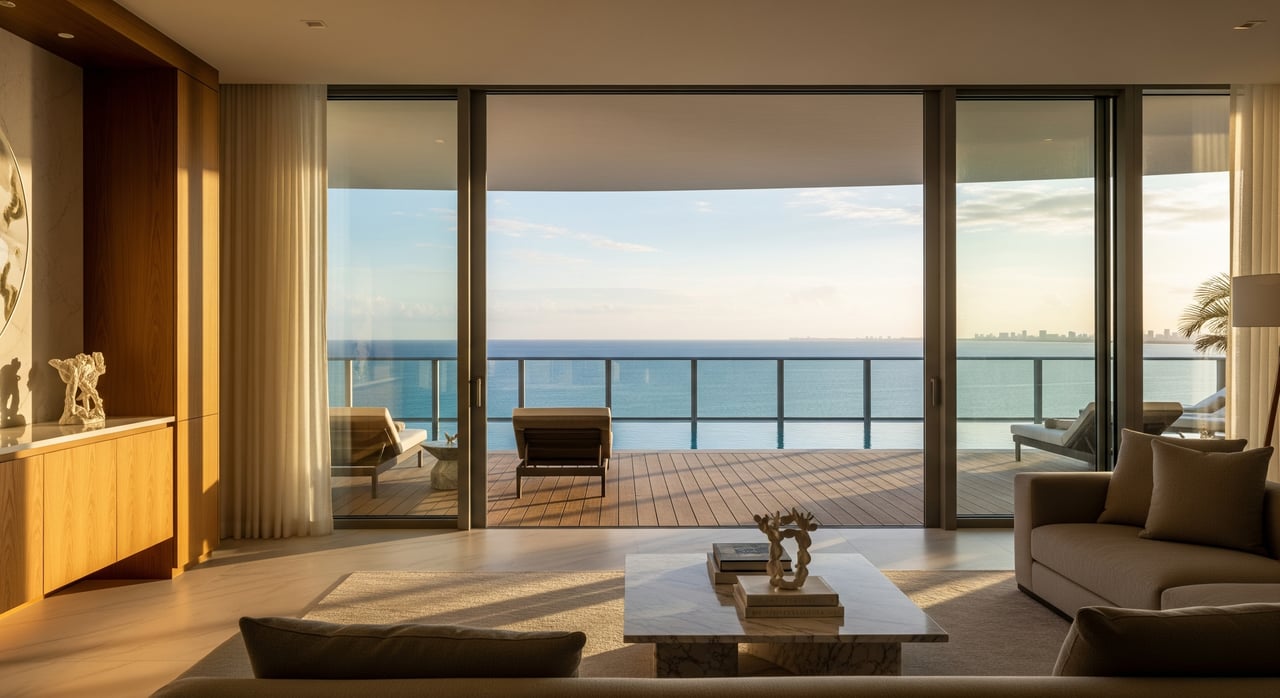
Sunny Isles Condo Market Trends and Buyer Essentials
Dreaming of a beachfront condo in Sunny Isles Beach but unsure what really drives price and value? You are not alone. Between oceanfront towers, bayfront retreats, and new projects on the horizon, the choices can feel overwhelming. In this guide, you will learn how views, floor level, amenities, and building rules shape pricing, how pre-construction differs from resale, and what due diligence protects you before you sign. Let’s dive in.
Sunny Isles Beach is a slender barrier island in northeast Miami-Dade with two primary orientations: Atlantic Ocean to the east and Biscayne Bay/Intracoastal to the west. Most luxury towers line Collins Avenue, with others on the bay side or mid-block. The inventory spans new luxury towers, resales from the 2000s–2010s, boutique or older condos, and select condo-hotel or branded residences.
Buyer profiles typically include primary and second-home owners, seasonal residents, and investors. You will see a high share of luxury product on the oceanfront, with resale supply and time on market varying by building, view, and floor. High floors and direct ocean exposures tend to move faster.
Sunny Isles pricing usually falls into entry luxury, mid luxury, upper luxury, and super-luxury tiers. The jump between tiers often comes down to the building’s services and the unit’s line, floor, and views.
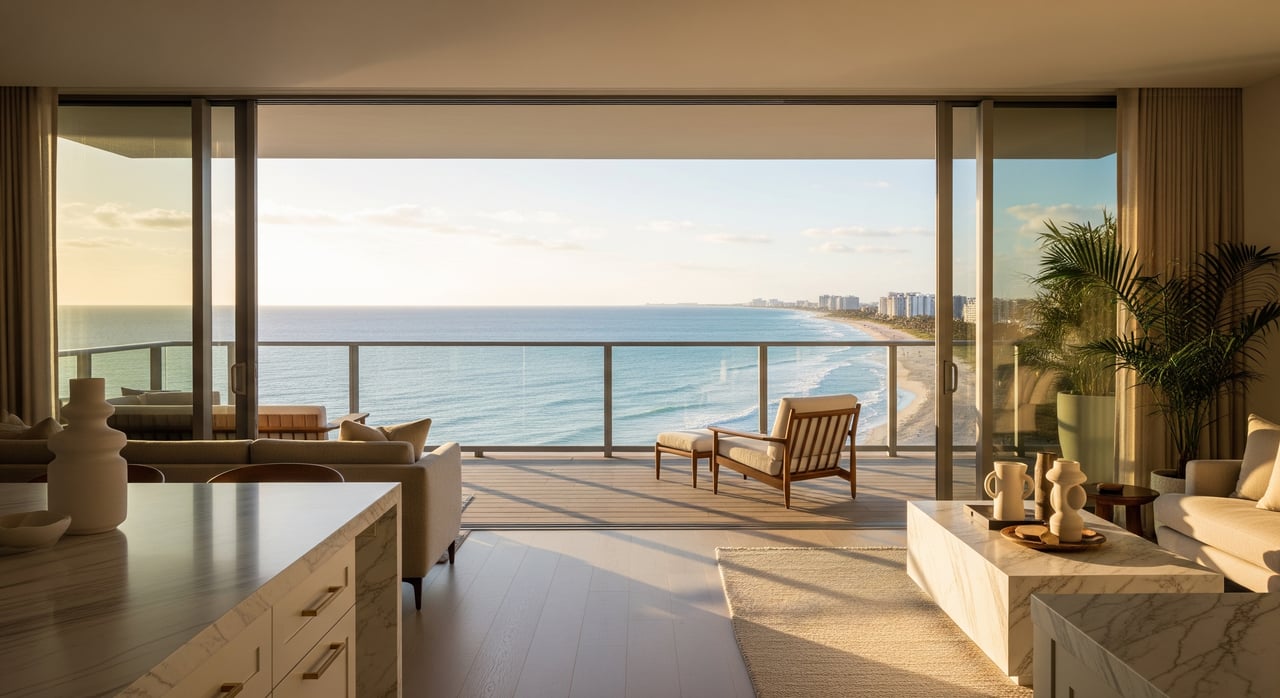
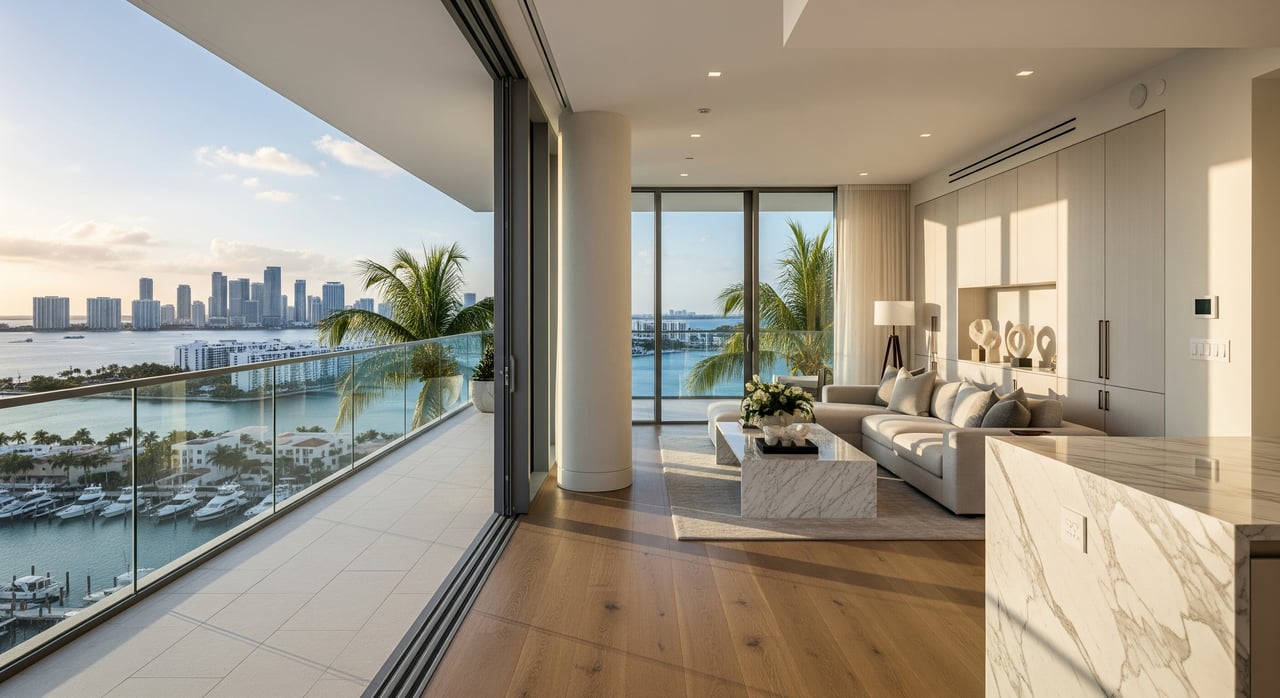
Direct east-facing ocean views usually command the highest premiums. Southeast or southwest corners follow, with broader exposures and light. Bayfront homes can still be desirable for wide water views, privacy, and sunsets, but oceanfront typically sits at the top in Sunny Isles.
Higher floors often achieve higher prices per square foot thanks to unobstructed views and less street noise. In many towers, the “line” or stack matters as much as the floor. Corner lines with wrap terraces, direct oceanfront stacks, and private elevator foyers are valued features that can lift both demand and resale.
Larger footprints, floor-through layouts, generous terraces, and multi-bedroom plans lift the total price even when price per square foot is steady. Private elevators, bespoke finishes, and top-tier appliance packages can further separate a residence within the same building.
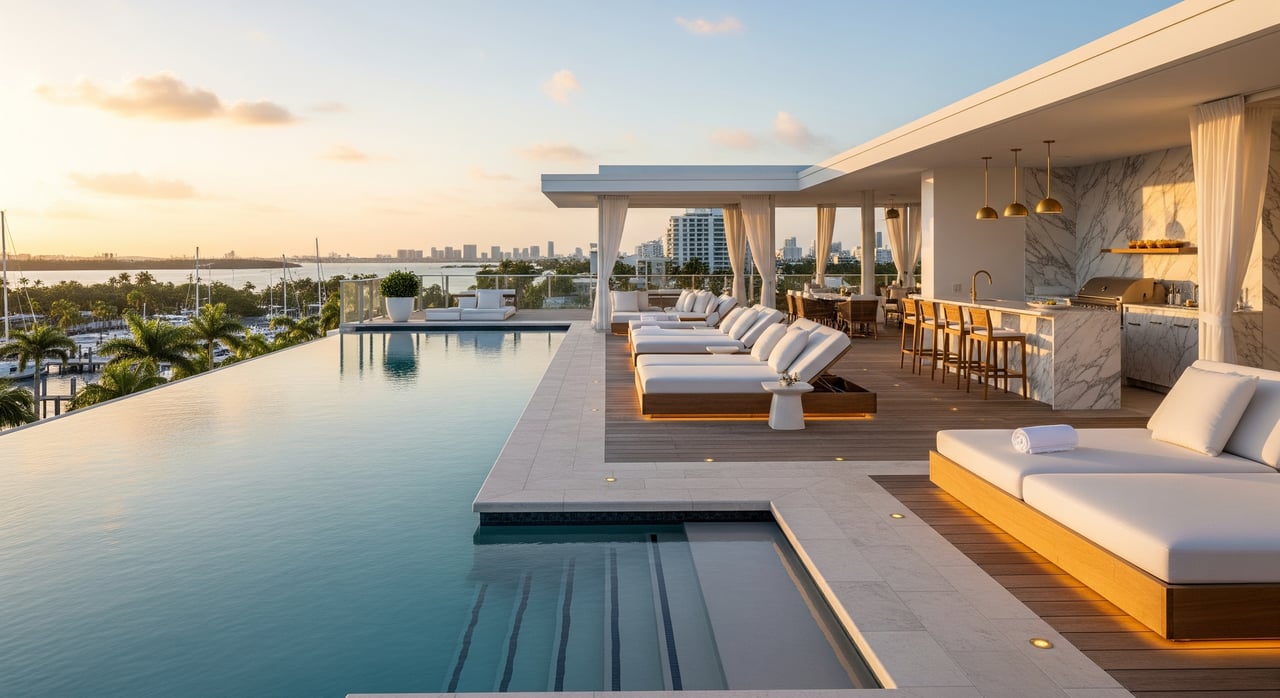
Full-service amenities can materially impact value. Look for 24/7 concierge, valet, on‑site dining or spa, private beach access, children’s areas, and refined fitness or wellness spaces. Branded residences and towers by notable architects or developers often trade at a premium.
If your priority is beach access and panoramic Atlantic views, oceanfront typically merits the higher price. If you prefer calmer water vistas and sunset exposures, bayfront can offer attractive alternatives and sometimes lower entry points. Your intended use matters. For seasonal use, prioritize your daily experience. For investment, weigh rental rules, operating costs, and long‑term demand.
You will find both active new development and robust resale options in Sunny Isles. Each path offers distinct tradeoffs.
The purchase price is only one piece of the budget. Plan for monthly and annual carrying costs.
Luxury towers often have higher monthly fees because of staffing, insurance, and amenities. Ask for the current budget, reserve study, and meeting minutes to understand reserves and any recent or proposed special assessments.
Miami-Dade County assesses property taxes at closing and annually. If this will be your primary residence and you qualify, a homestead exemption may reduce the taxable value. Second-home buyers and non-residents have different limits.
Barrier islands face wind and flood risks. Expect separate wind/hurricane and flood policies, and get quotes before committing. Review the building’s master policy to know what interior elements you must insure. Elevation, flood zone designation, and building design influence long-term resilience and premiums.
Sunny Isles follows Miami’s strong seasonal cycle. Demand and showings typically peak November through April. If you want the broadest selection and energy, shop early in high season. If you are value-focused, consider watching listings that linger past peak months and compare line-by-line in target buildings. Investors should track how rental demand aligns with high season and the building’s minimum lease terms.
Rental yield depends on your building’s rules and operating costs. Many luxury towers limit short-term rentals, require association approval for tenants, or set minimum lease periods. If income is part of your plan, confirm rental policies, historic occupancy, and realistic operating costs for HOA, insurance, and management. Luxury coastal condos tend to have higher operating expenses that can compress gross yield.
High-value condos often use jumbo loans. Lenders will review your debt-to-income, reserves, and the condo project’s eligibility. Underwriting may consider owner-occupancy ratios, commercial space in the building, and reserve sufficiency. For pre-construction, you typically secure permanent financing near delivery; confirm your lender’s approach upfront.
Use this checklist to protect your purchase and position for resale:
Buying in Sunny Isles is about more than finding a view. You want the right line, a strong association, sensible carrying costs, and a plan for exit or rental. With boutique, concierge service and deep local knowledge, we help you compare buildings, stacks, and timelines, and negotiate with confidence. Ready to walk through a curated shortlist or discuss a pre-construction opportunity? Request a private consultation with Dianna Lantigua Realty Inc.
Essential Smart Home Features Coconut Grove Buyers Are Looking For
Whether guiding buyers through South Florida’s most prestigious neighborhoods or representing seasoned investors, she ensures a seamless experience defined by privacy, professionalism, and personalized attention.
Dianna Lantigua
17121 COLLINS AVE SUNNY ISLES BEACH FL 33160