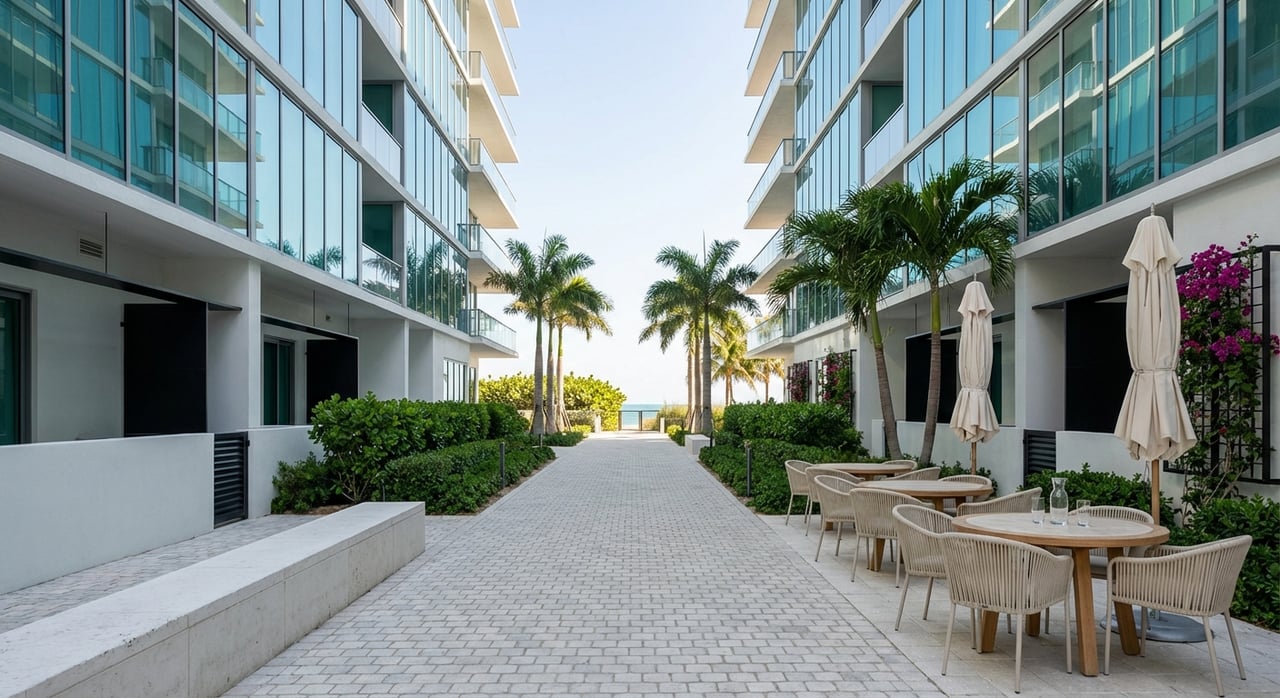
Buying a condo in Downtown Miami can feel exciting and complex at the same time. You want a sleek high‑rise lifestyle and a smooth closing, but you have questions about loan programs, HOA approvals, and how fees affect your budget. You are not alone. Many great condo deals come together when buyers understand both the loan and the building requirements. In this guide, you will learn what lenders look for, how the HOA impacts your financing, timelines to expect, and steps to keep your purchase on track. Let’s dive in.
Condo financing basics in Downtown Miami
Two approvals: you and the building
When you finance a condo, there are two approvals. Your loan must meet program guidelines. The building must also meet the lender’s condo project standards. If either side falls short, the loan may be denied or require a higher down payment.
Lenders review your income, assets, credit, and debt. At the same time, they assess the condo association’s budget, reserves, insurance, owner‑occupancy, and any litigation. In Miami‑Dade, they also care about recertification and inspection history. Plan for both reviews from the start.
How programs differ
Different loan programs handle condos in different ways. Here is what to expect at a high level:
- Conventional (Fannie Mae/Freddie Mac). Common for U.S. buyers. Project eligibility applies. High loan‑to‑value may be possible for owner‑occupants, but lenders often add condo overlays. If your LTV is above 80%, expect private mortgage insurance.
- FHA. Up to 96.5% LTV for eligible borrowers in FHA‑approved projects. Single‑unit approvals are possible in some cases but may add time. FHA has requirements for insurance, reserves, owner‑occupancy, and commercial space.
- VA. Eligible veterans can finance up to 100% in VA‑accepted projects. The VA also reviews insurance, budgets, occupancy, and litigation.
- Portfolio lenders. Local banks and credit unions may be more flexible on buildings, but terms vary by lender. Some will finance units in projects that are not on an approved list.
- Foreign‑national programs. Available to many non‑U.S. buyers, typically with higher down payments, often 25% to 50% (commonly 30%+), more documentation, and higher rates.
Across programs, lenders consider your debt‑to‑income ratio, credit profile, and cash reserves. They always include HOA dues when calculating your monthly housing payment.
Project approval: what lenders review
Full, limited, and single‑unit reviews
- Full project review. A comprehensive review of the building’s budget, reserves, insurance, owner‑occupancy, rental policies, commercial space, and litigation. Once a project is accepted, it can make financing smoother for future buyers.
- Limited review. A lighter review at loan time that checks key risk items. It may be available even if the project is not on an approved list, but with tighter LTV limits.
- Single‑unit approval. Used in specific cases to green‑light a single purchase in a project that does not have a full approval. These approvals can take longer and are at the lender’s discretion.
What raises flags in Miami buildings
Underwriters look closely at the following points because they predict financial stability and risk:
- Owner‑occupancy and rental mix. A high share of investor‑owned or short‑term rentals can tighten LTV limits or reduce eligibility.
- Reserves and reserve studies. Low reserves or no recent study are risk signals. Many lenders look for a meaningful reserve contribution in the annual budget.
- Special assessments. Active or large pending assessments can derail financing or require extra reserves.
- Litigation. Material legal action involving the HOA is a major concern and can stop a loan.
- Master insurance. Property and liability coverage must meet agency thresholds. Very high deductibles or gaps can cause denial.
- Commercial space. A large retail or office component can complicate eligibility.
- Recertification and inspections. In Miami‑Dade, recertification status and structural reports matter for insurability and lender comfort.
HOA dues, assessments, and your loan
Your lender will include monthly HOA dues when calculating your debt‑to‑income ratio. Higher dues reduce the loan amount you can qualify for at the same income level. If dues are billed quarterly or annually, the lender converts them to a monthly figure for underwriting.
Special assessments also matter. If an assessment is owed at closing, the contract usually assigns who pays it. If an assessment is pending or newly passed, expect the lender to ask for details, adjust your cash reserve needs, or require that obligations be settled before closing. Always confirm current and upcoming assessments during the offer period.
Key steps:
- Request the HOA packet early. Ask for the current budget, reserve study or balances, insurance declarations, rental policy, and any board minutes on repairs or assessments.
- Review the numbers. Look for stable dues, consistent reserve funding, and clear plans for capital projects.
- Ask about flood and hurricane coverage. Coastal towers often carry higher premiums and deductibles, which can affect the project review.
Timeline and what to expect
Condo closings in Downtown Miami often run 30 to 60 days from contract. They can take longer if the building needs a full project review, FHA/VA approval, or if HOA documents are slow.
A typical schedule looks like this:
- Offer to contract: 1 to 7 days.
- HOA document request and estoppel: 7 to 21+ days. Some management companies are fast. Others take longer, especially if there are assessments or litigation details to confirm.
- Lender underwriting and project review: 2 to 6+ weeks. Single‑unit approvals and agency reviews can extend this.
- Closing and funding: Varies by title and escrow. International buyers may need extra time for document checks and wire transfers.
How to keep your closing on track
- Start the HOA packet on day one. Pay the estoppel fee if needed and confirm the delivery timeline in writing.
- Ask your lender about project status early. If the building is not on an approved list, expect a project review and plan extra time.
- Align your contract with reality. Build in enough days for HOA and lender reviews.
- Respond quickly to document requests. Turn in pay stubs, bank statements, and IDs fast to avoid underwriting delays.
- Choose a lender experienced with Miami condos. Local experience helps with questionnaires, insurance nuances, and recertification questions.
Documentation checklists
Domestic buyers
- Government ID and Social Security number.
- Recent pay stubs and employer contact.
- Two years of federal tax returns and W‑2s or 1099s.
- Two to three months of bank and asset statements.
- Proof of funds for down payment and closing.
- Gift letters and documentation if funds are gifted.
- Signed purchase contract and HOA contact details for estoppel.
International and foreign‑national buyers
- Passport and visa or ITIN.
- Two to three years of bank statements; a bank reference letter may be requested.
- Verified source of funds for down payment.
- U.S. payment setup if required by the lender.
- Plan for a larger down payment, commonly 30% or more, and extra time for wires and document checks.
Building and HOA documents lenders request
- Current and prior year budgets.
- Reserve study or reserve account statements.
- Master insurance declarations and certificates.
- Bylaws, covenants, and articles.
- Estoppel letter confirming dues, assessments, and any liens.
- Litigation status and any notices of required repairs or recertification.
- Owner‑occupancy and rental certifications.
Downtown Miami realities to plan for
Post‑2021 building safety focus
After the 2021 Surfside tragedy, many lenders and insurers now scrutinize structural reports, recertification status, and reserve practices. Expect more questions about engineering studies, planned repairs, and how the HOA will fund them. If a tower faces major work, your loan may require extra reserves or special conditions.
Insurance and hurricane risk
Waterfront and high‑rise properties often carry higher master policy premiums and deductibles. Confirm coverage limits and deductibles early. Flood zone status can also influence insurance needs. Strong, stable insurance is a key factor in project approval.
Short‑term rentals
Miami and Miami Beach have specific rules on short‑term rentals, and many buildings restrict or ban them. A building’s rental policy affects demand and lender risk. If rental income is part of your plan, verify the building and local rules before you offer.
HOA management and responsiveness
Management company efficiency can speed or delay your closing. In practice, waiting on an estoppel letter or insurance certificates is one of the most common reasons Miami condo deals run long. Build time for this reality into your closing date.
Common pitfalls to avoid
- Assuming your strong credit is enough without the building’s approval.
- Discovering a large pending assessment after inspection.
- Relying on outdated budgets or missing reserve studies.
- Overlooking litigation that affects insurability or eligibility.
- Underestimating the time required for HOA questionnaires and estoppels.
- Expecting every lender to view the same building the same way.
Smart next steps
- Meet with a lender who regularly finances Miami condos and ask about the building’s current status.
- Request the HOA packet on day one and review budget, reserves, insurance, and board minutes for assessments.
- Confirm recertification and inspection histories with the association and management.
- Align your contract timeline with a realistic 30 to 60 day closing path.
- Keep your documentation current and organized to speed underwriting.
If you want a discreet, concierge path through Downtown Miami’s condo market, connect with an advisor who lives this process daily. For tailored guidance on buildings, financing realities, and a smooth closing, contact Dianna Lantigua Realty Inc. Request a private consultation.
FAQs
What down payment do I need for a Downtown Miami condo?
- It depends on the program and the building. FHA can allow up to 96.5% LTV for eligible borrowers in approved projects, VA can permit 100% for eligible veterans, conventional varies by lender and project status, and foreign‑national loans typically require 25% to 50% down, commonly 30%+.
Can I finance a condo with a special assessment in place?
- Often yes, but the lender will review the size, purpose, and who must pay. Large or pending assessments can require extra reserves, change terms, or delay closing until obligations are clarified.
How do HOA dues affect my mortgage approval?
- Lenders include HOA dues in your housing payment when calculating your debt‑to‑income ratio. Higher dues reduce the loan amount you can qualify for at the same income level.
What is a condo questionnaire or estoppel letter?
- It is an association document that confirms dues, assessments, insurance, occupancy, and litigation details. Lenders and title often require it before closing, and it can take days or weeks to obtain.
Are short‑term rentals allowed in Downtown Miami condos?
- Policies vary by building and local rules. Many condominiums restrict or prohibit short‑term rentals, and lenders consider these rules during project review. Always verify before you offer.
How long does a Miami condo loan take to close?
- Many Downtown Miami condo purchases close in 30 to 60 days, but plan for more time if the building needs a project review, FHA/VA approval, or if you are an international buyer with added documentation steps.